
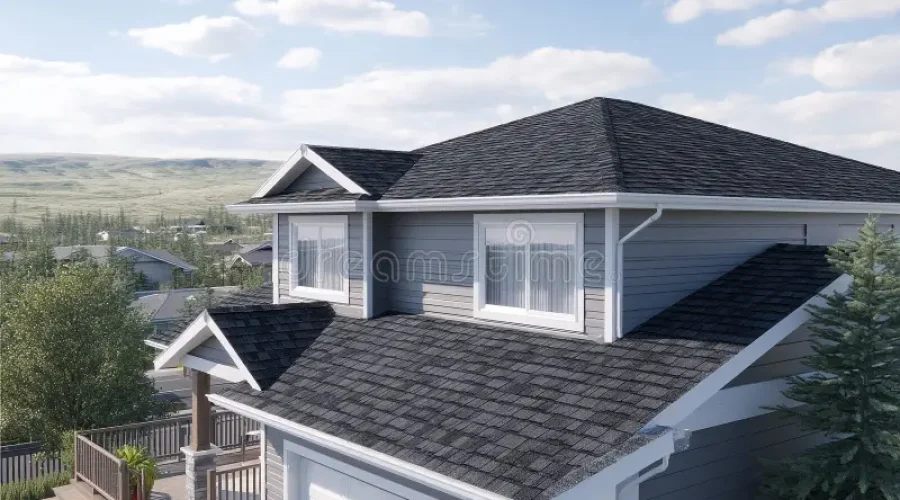
How to Find and Hire the Best Local Roofing Contractor
Your roof protects everything underneath it—your family, your belongings, and the structure of your home itself. When it starts to fail, the consequences can be expensive and stressful. Water damage, mold growth, and even structural issues can follow quickly if problems go unaddressed. That’s why choosing the right roofing contractor matters more than almost any other home improvement decision.
In 2026, homeowners have more options than ever, but that also means more chances to make a costly mistake. A skilled, honest roofer can extend the life of your roof and save you money over time. A poor one can leave you with shoddy work, hidden damage, and disputes over payment.
This guide walks you through the entire process: recognizing when you need professional help, what to look for in a contractor, how to compare options, and where to find reliable professionals in your area.

Common Signs That Your Roof Needs Repair or Replacement
Many homeowners only think about their roof when something goes wrong. By then, small issues may have turned into major repairs. Regular checks can catch problems early.
Look for these warning signs from the ground or during a safe attic inspection:
- Missing, cracked, or curling shingles — Asphalt shingles typically last 20 to 30 years. When they start to lift or break, wind and rain can get underneath and cause leaks.
- Granule loss — Check your gutters. If you see a lot of dark granules collecting there, the protective layer on your shingles is wearing away, leaving them vulnerable to UV damage.
- Leaks or water stains — Dark spots on ceilings or walls, especially after rain, point to a breach in the roofing system.
- Sagging areas — A dip in the roofline often means decking or supports have weakened due to prolonged moisture.
- Moss or algae growth — While not always structural, heavy buildup can trap moisture and shorten shingle life.
- Daylight visible in the attic — If you can see light through the roof boards, you definitely have gaps.

Age is another factor. If your roof is approaching or past its expected lifespan—20–25 years for asphalt shingles, 40–70 years for metal or tile—it’s smart to get a professional opinion even if no obvious damage shows yet.
What Separates Good Roofers from the Rest
Not all roofing companies operate the same way. Here are the qualities that set trustworthy contractors apart.
- Proper licensing and insurance Every state has different requirements, but legitimate roofers carry general liability insurance and workers’ compensation. Ask to see certificates and verify them with the issuing companies. This protects you if someone gets injured on your property.
- Local experience and reputation A contractor who has worked in your area for years understands local weather patterns—whether that’s heavy snow loads, intense sun, or hurricane-force winds—and building codes. Long-standing local businesses also care more about word-of-mouth referrals.
- Strong manufacturer certifications Many shingle and material brands (GAF, Owens Corning, CertainTeed) offer extended warranties only when certified installers do the work. These certifications require ongoing training and prove the crew follows best installation practices.
- Transparent pricing and contracts Reliable roofers provide detailed written estimates that break down materials, labor, cleanup, and warranty terms. They don’t pressure you with “today-only” discounts or vague verbal promises.
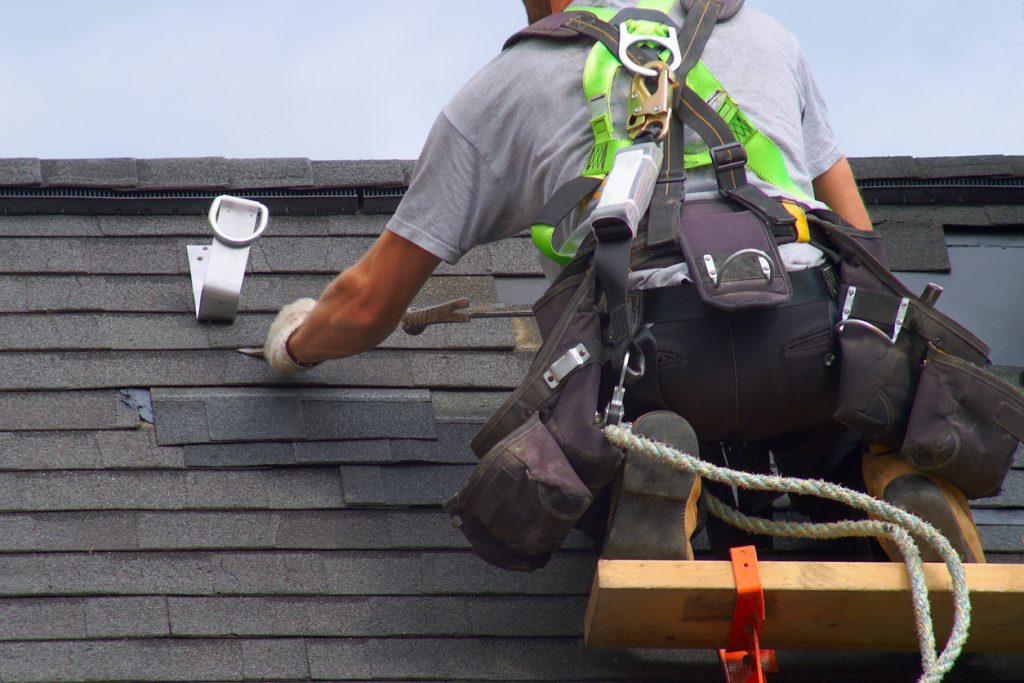
- Safety practices Roofing is dangerous work. Professionals wear harnesses, use proper ladders, and follow OSHA guidelines.
How to Research and Compare Roofing Contractors
Start broad and narrow down.
- Read online reviews on Google, Yelp, and the Better Business Bureau. Look for patterns: Do customers consistently mention punctuality, cleanup, and communication?
- Ask neighbors, friends, or local Facebook groups for recommendations. Personal experiences carry weight.
- Check for complaints with your state’s contractor licensing board.
- Request references from recent jobs and follow up. A confident roofer will happily provide them.
Get at least three written estimates. The lowest bid isn’t always the best—extremely cheap offers sometimes mean cut corners or low-quality materials. Compare what each quote includes: brand and grade of shingles, underlayment type, flashing replacement, ventilation upgrades, and warranty length.
Different Roofing Materials: What Homeowners Choose Today
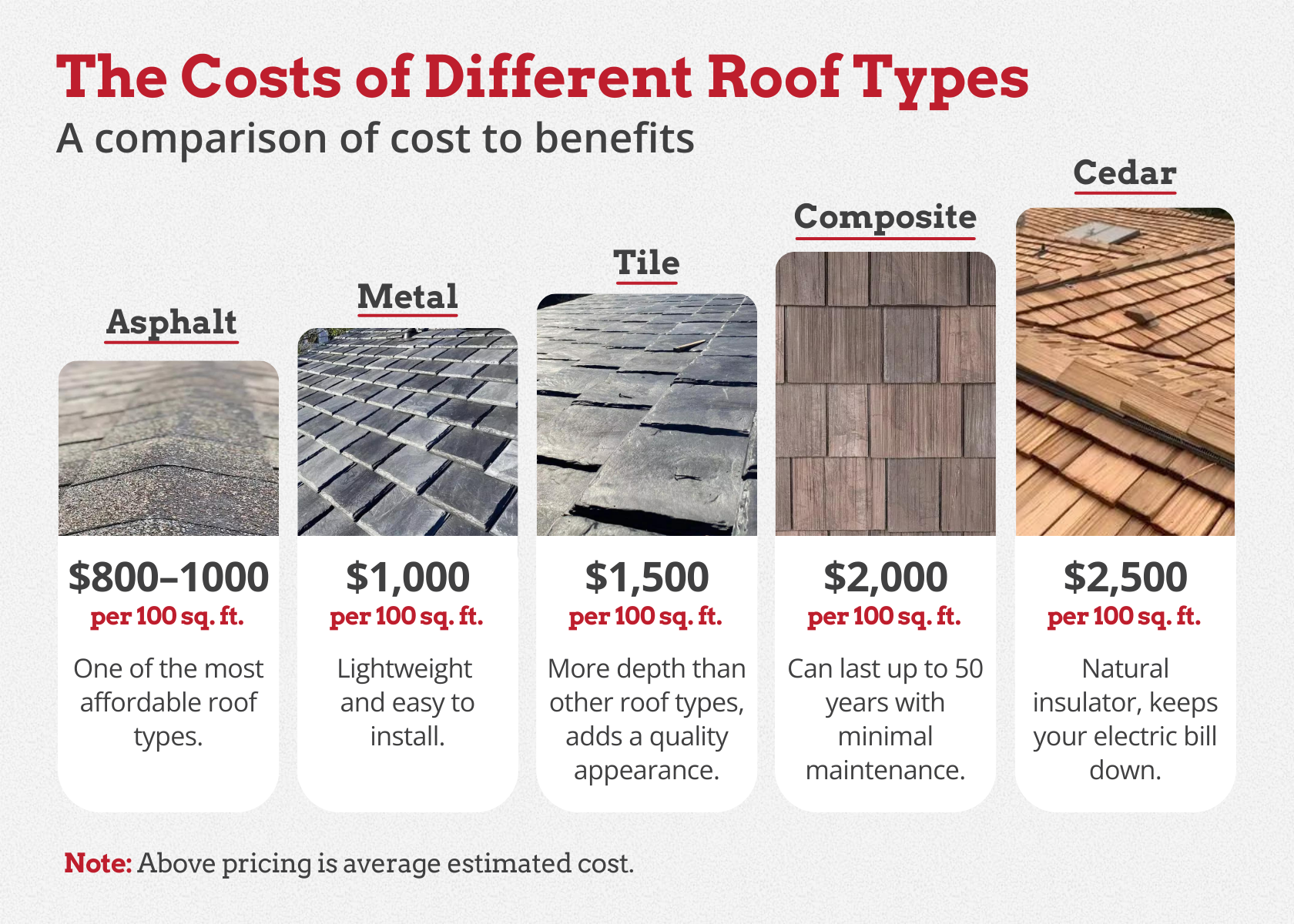
Material choice affects durability, appearance, and cost. Here are the most common options in 2026:
- Asphalt shingles — Still the most popular due to affordability and variety of colors. Three-tab versions are basic; architectural shingles offer better wind resistance and a dimensional look.
- Metal roofing — Growing fast in popularity for its longevity (50+ years) and energy efficiency. Standing-seam systems look sleek on modern homes.
- Tile (clay or concrete) — Classic in warmer climates; heavy but extremely durable.
- Slate — Premium natural stone that can last over a century, though installation costs are high.
- Composite/synthetic — Newer options that mimic wood shakes or slate without the maintenance.
Each has trade-offs in weight, fire resistance, and environmental impact. A knowledgeable contractor will explain which options suit your home’s architecture and your budget.
Using a Roofing Directory to Simplify Your Search
Sorting through dozens of individual company websites and reviews can take hours. That’s where specialized directories help.
Sites like https://find-roofers.com/ gather verified local roofing professionals in one place. You can search by zip code or city, view company profiles, see customer ratings, and compare services quickly. Many listings include photos of past work, certifications, and direct contact information.
Using a directory saves time and reduces risk. The platform often pre-screens contractors for licensing and insurance, so you start with a shorter, higher-quality list.
Questions to Ask Potential Roofers
Before signing anything, have a conversation. Good questions include:
- How long have you been roofing in this area?
- Will you remove the old roof or install over it? (Most experts recommend full tear-off for better inspection and longevity.)
- What specific materials do you recommend for my home and why?
- Who will supervise the job daily?
- How do you handle unexpected issues or change orders?
- What warranty do you offer on labor, and what does the manufacturer warranty cover?
- When can you start, and how long will the job take?
Watch for red flags: reluctance to provide proof of insurance, pressure to sign immediately, large upfront deposits (10–30% is normal; anything more raises concerns), or cash-only demands.
Final Steps Before Work Begins
Once you choose a contractor:
- Sign a clear contract that spells out scope, payment schedule, start/completion dates, and cleanup expectations.
- Confirm permits will be pulled (required in most areas for roof replacement).
- Prepare your property: move vehicles, cover plants, and warn neighbors about noise.
- Plan for a final walkthrough to check quality and collect warranty paperwork.
Ready to Get Started?
A solid roof gives peace of mind for decades. Taking time to find the right contractor pays off in avoided headaches and lower long-term costs.
If you’re ready to connect with trusted local roofers, visit https://find-roofers.com/. Search your area, read profiles, and request quotes—all in one convenient place.
Your home deserves the best protection. Start your search today.